
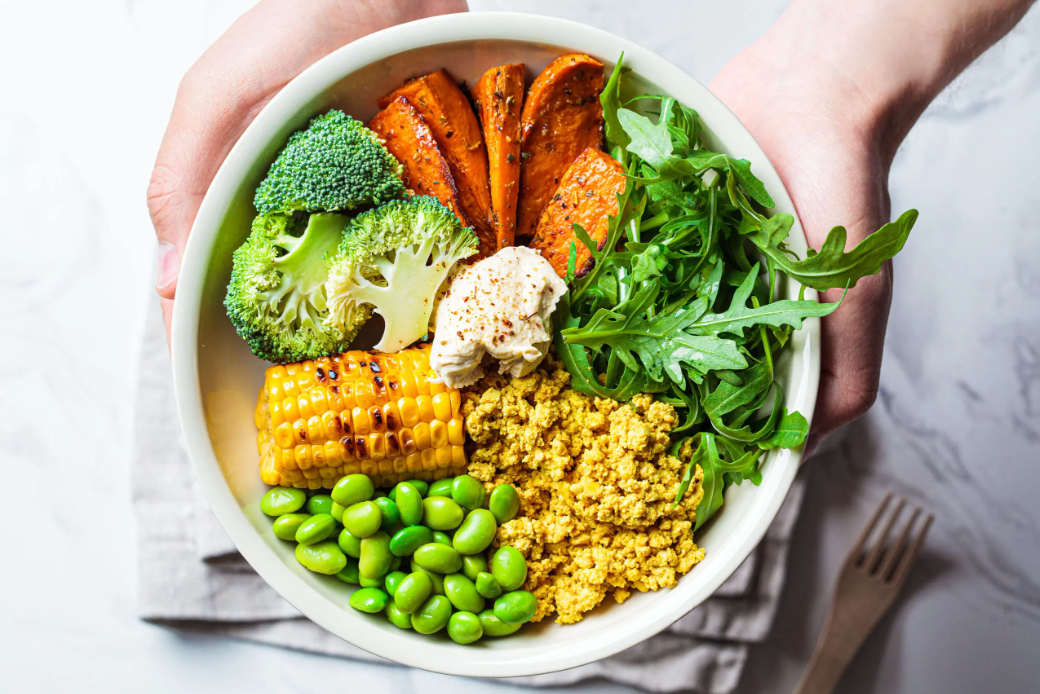
Plant-based diets are no longer a fringe lifestyle for athletes. A 2020 study published in the Journal of the International Society of Sports Nutrition confirmed that plant-based protein, when matched gram for gram with animal protein, produces comparable lean muscle gains over a 12-week resistance training period. The caveat? You have to be strategic about it.
Here's what the research shows and how to use it.
The Protein Requirement Is the Same, Regardless of Diet
The baseline for muscle protein synthesis is well established. Research consistently puts the effective range at 1.6 to 2.2 grams of protein per kilogram of body weight per day for individuals engaged in resistance training. A 180-pound (82 kg) athlete needs roughly 131 to 180 grams of protein daily to drive meaningful hypertrophy.
This number does not change because you eat plants. What changes is how you get there.
Whole food vegan sources tend to be less protein-dense than animal sources. Cooked lentils deliver about 18 grams per cup. Cooked quinoa provides 8 grams per cup. Firm tofu sits around 20 grams per cup. Compare that to chicken breast at 43 grams per cup and the math becomes obvious: volume matters more on a plant-based plan. You need to eat more food, more intentionally, or supplement the gap.
The Amino Acid Problem (and How to Solve It)
This is where most vegan muscle-building plans quietly fall apart. Most plant proteins are "incomplete," meaning they lack sufficient quantities of one or more essential amino acids (EAAs). Leucine is the critical one. It acts as the primary trigger for muscle protein synthesis, and most plant proteins are low in it.
Leucine thresholds for triggering muscle protein synthesis sit around 2 to 3 grams per meal. A serving of pea protein isolate delivers approximately 1.8 to 2.2 grams of leucine depending on the product. Brown rice protein comes in around 2 grams. Soy protein isolate is the closest plant-based equivalent to whey, offering a complete amino acid profile with roughly 2.5 grams of leucine per 25-gram serving.
The solution is not complicated: combine sources, increase total protein slightly above the standard threshold (closer to 2.2g/kg rather than 1.6g/kg), and prioritize leucine-rich options. Pea and rice protein blends are well-documented as an effective combination precisely because they compensate for each other's amino acid gaps.
Browsing the protein collection at Rock's Discount is a practical starting point if you want vetted plant-based protein supplements without digging through pages of options.
What the Research Says About Soy
Soy protein is the most studied plant protein in the context of muscle building, and the evidence is solid. A meta-analysis in the American Journal of Clinical Nutrition found that soy protein produced similar muscle hypertrophy outcomes to whey when total leucine intake was equated. The concern about phytoestrogens disrupting testosterone has been largely dismissed by the literature; studies using 40 to 70 grams of soy protein daily showed no significant hormonal disruption in men.
Tempeh, fermented from soybeans, provides roughly 31 grams of protein per cup and has the added benefit of being a fermented food, which supports gut health and nutrient absorption. Better absorption matters more when you are pushing protein intake to the higher end of the range.
Creatine and B12: The Two Supplements That Matter Most for Vegan Athletes
A 2021 review in Nutrients noted that vegan athletes are significantly more likely to be deficient in creatine and vitamin B12 than omnivores. Both affect performance and recovery directly.
Creatine is synthesized endogenously from arginine, glycine, and methionine, but dietary creatine from fish and meat is absent in vegan diets. Studies show vegans have approximately 50% lower muscle creatine stores on average compared to omnivores. Supplementing with 3 to 5 grams of creatine monohydrate daily closes that gap reliably. It is one of the most evidence-backed supplements in sports nutrition, full stop.
B12 deficiency impairs red blood cell production, reduces oxygen delivery to working muscles, and accelerates fatigue. If you are training on a plant-based diet and not supplementing B12, your recovery is suffering, whether you feel it or not.
The muscle enhancers collection has options worth reviewing if you are trying to address these specific gaps without buying a dozen separate products.
Tracking Matters More on a Vegan Plan
A 2019 observational study in Nutrients found that vegan athletes consumed, on average, 20% fewer total calories and significantly less protein than their omnivore counterparts despite having similar training volumes. The gap was not ideological; it was practical. Plant foods are filling and voluminous. Satiety hits before protein targets are met.
This is why tracking, at least initially, is non-negotiable. Apps like Cronometer are particularly useful for vegan athletes because they break down amino acid profiles, not just total protein grams. Knowing you hit 150 grams of protein matters a lot less if 80% of it came from incomplete sources with low leucine.
Practical Day Structure
A day of eating that actually hits the targets for an 82 kg athlete looks something like this:
- Breakfast: Tofu scramble with nutritional yeast, 1 cup cooked quinoa. Protein: ~38g.
- Lunch: Lentil and chickpea bowl with brown rice. Protein: ~35g.
- Post-workout: Pea and rice protein blend shake (2 scoops). Protein: ~46g.
- Dinner: Tempeh stir-fry with edamame. Protein: ~42g.
- Total: ~161g protein. Within range, hitting leucine targets across the day when distributed across four meals.
The Bottom Line
Building muscle on a vegan diet is a solved problem nutritionally. The research is clear: match protein intake to 2 to 2.2g/kg bodyweight, prioritize leucine-rich and complete protein sources, supplement creatine and B12, and track your intake until the patterns are automatic.
If you want to simplify the supplement side of the equation, the Rock's Discount location nearest you can help you put together a stack built around your actual training demands rather than guesswork.
The gap between "eating plant-based" and "building muscle effectively on plants" is a planning gap, not a biological one. Close the gap.