
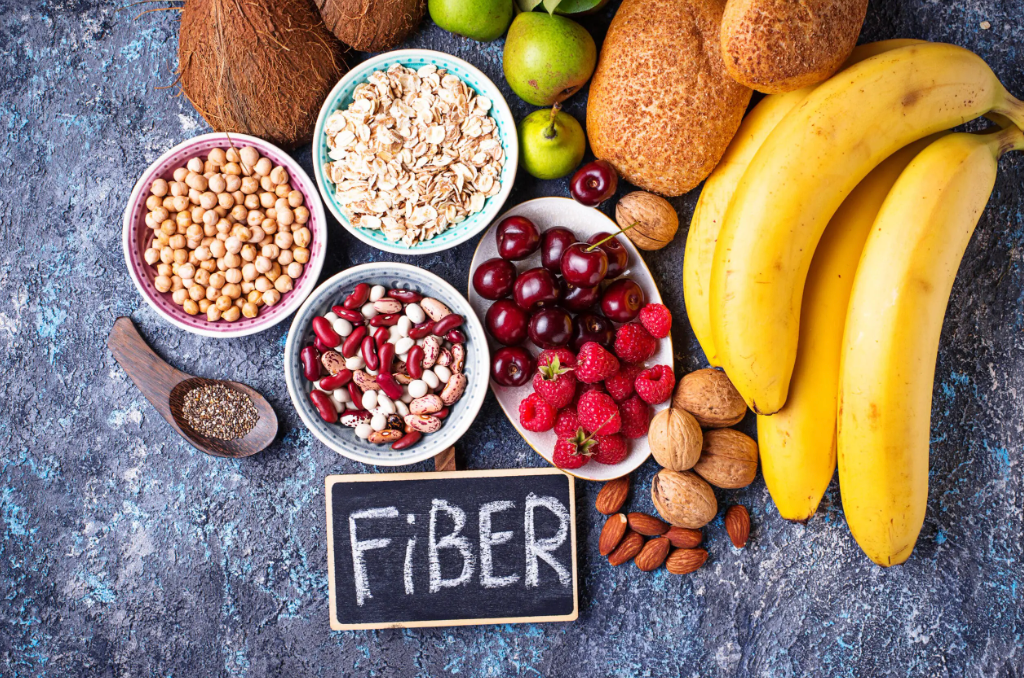
Fiber is the most consistently under-consumed nutrient in the American diet, and the gap is not close. A 2017 analysis published in the American Journal of Lifestyle Medicine found that 95% of Americans fail to meet the recommended daily fiber intake. Not 20%. Not 40%. Ninety-five percent. That makes inadequate fiber intake more widespread than vitamin D deficiency, more common than insufficient protein, and more prevalent than almost any other nutritional shortfall tracked at a population level.
The consequences are not abstract. Fiber intake is directly linked to digestive health, cardiovascular risk, blood glucose regulation, bodyweight management, and gut microbiome diversity. Each of those outcomes is backed by controlled research, not association studies. Understanding what fiber does mechanistically, which types do what, and when supplementation makes sense is the difference between treating it as a minor dietary footnote and recognizing it as a foundation-level health variable.
What Fiber Is and Why It Behaves Differently From Other Carbohydrates
Fiber is a category of carbohydrate that the human digestive system cannot break down into glucose. Unlike starch and sugar, fiber passes through the small intestine largely intact, reaching the large intestine where it either dissolves in water or remains structurally intact depending on its type. This resistance to digestion is the entire basis of fiber's physiological effects.
Dietary fiber is divided into two primary classifications: soluble and insoluble. They have distinct mechanisms and distinct benefits, and a complete dietary fiber intake requires both.
Soluble fiber dissolves in water to form a viscous gel in the gastrointestinal tract. This gel slows gastric emptying, which reduces the rate at which glucose enters the bloodstream after a meal, and traps bile acids in the gut, preventing their reabsorption and forcing the liver to convert additional cholesterol into new bile acids. The net effect of this bile acid sequestration is a measurable reduction in circulating LDL cholesterol. Key soluble fiber sources include oats (beta-glucan), psyllium husk, apples, legumes, and flaxseed.
Insoluble fiber does not dissolve in water. It adds bulk to stool, accelerates intestinal transit time, and mechanically stimulates the lining of the large intestine. These effects reduce constipation, lower transit time for potential carcinogens through the colon, and support regular bowel function. Key insoluble fiber sources include wheat bran, whole grain products, cauliflower, nuts, and most vegetable skins.
Optimal dietary fiber intake contains both types. Most fiber supplements are predominantly soluble, which makes pairing them with insoluble fiber sources from whole foods the most effective combined approach.
The Cardiovascular Evidence: Specific, Quantified, and Consistent
The cardiovascular benefits of dietary fiber are among the most robustly replicated findings in nutritional epidemiology and have been confirmed in controlled intervention trials, not just observational studies.
A 2014 meta-analysis in BMJ examining 22 cohort studies found that each 7-gram increase in daily fiber intake was associated with a 9% reduction in cardiovascular disease risk. A separate 2011 analysis in the Archives of Internal Medicine pooling data from 10 prospective studies and over 700,000 participants found that the highest fiber intake quartile had a 29% lower risk of coronary heart disease compared to the lowest quartile.
The mechanism for LDL reduction through soluble fiber is well characterized. Beta-glucan from oats at 3 grams per day has been sufficient to produce significant LDL reductions in controlled trials. The FDA approved a health claim for oat beta-glucan and heart disease risk in 1997, one of the few dietary fiber claims supported by enough clinical evidence to meet that threshold. A 1997 meta-analysis in the Journal of the American Medical Association found that psyllium supplementation at 10 grams per day reduced LDL cholesterol by an average of 7% over 8 weeks in hypercholesterolemic adults.
For athletes and active individuals focused on performance, these cardiovascular benefits translate into improved long-term cardiovascular efficiency, better blood pressure management, and reduced systemic inflammation, all of which support both training capacity and recovery.
Blood Glucose Regulation: The Mechanism That Matters for Body Composition
Fiber's effect on postprandial blood glucose is one of the most directly applicable mechanisms for anyone managing body composition. Rapid spikes in blood glucose after meals drive large insulin responses. Chronically elevated insulin promotes fat storage and suppresses fat oxidation. Blunting the glucose spike through soluble fiber's gel formation in the gut reduces insulin demand after meals without reducing caloric intake.
A 2018 meta-analysis in Nutrients examining 35 randomized controlled trials found that soluble fiber supplementation significantly reduced fasting blood glucose and glycated hemoglobin (HbA1c) in both diabetic and non-diabetic populations. The effect was dose-dependent and most pronounced in individuals with higher baseline glucose levels.
For body composition specifically, lower postprandial insulin responses during non-training periods support a metabolic environment more conducive to fat oxidation. This is one of the reasons high-fiber diets are consistently associated with lower body fat percentages in population studies, even after controlling for total caloric intake. Fiber slows the delivery of nutrients across the gut wall, effectively extending the absorptive phase of a meal and smoothing the metabolic response.
Satiety and Weight Management: The Numbers Behind the Effect
The satiety mechanism of dietary fiber is one of the most practically relevant for anyone managing caloric intake. Fiber increases meal volume without adding significant digestible calories, stimulates the release of peptide YY and GLP-1 (satiety hormones), and slows gastric emptying, all of which extend the duration of fullness after a meal.
A 2001 study in the Journal of the American College of Nutrition found that adding 14 grams of fiber per day to the diet was associated with a spontaneous reduction in caloric intake of approximately 10% and a body weight reduction averaging 1.9 kg over 3.8 months. Critically, participants were not instructed to reduce calories. The satiety effect from the additional fiber drove the caloric reduction organically.
The glucomannan evidence is particularly direct. A 2005 randomized controlled trial in the International Journal of Obesity found that 1 gram of glucomannan taken 30 minutes before each of three daily meals produced 5.5 pounds of weight loss over 8 weeks without any other dietary intervention in overweight adults. The mechanism was purely satiety-driven: increased gastric volume and delayed gastric emptying from the water-expanded glucomannan reduced ad libitum food intake at subsequent meals.
For athletes in a caloric deficit, where managing hunger while maintaining training performance is the central challenge, adequate fiber intake is one of the highest-leverage non-stimulant tools available. Pairing fiber-rich meals with a structured caloric target built around the macro calculator at Rock's Discount makes hitting a deficit significantly more sustainable than restricting calories without addressing satiety architecture.
The Gut Microbiome Connection: Why This Goes Beyond Digestion
The research on dietary fiber and gut microbiome health has accelerated significantly over the past decade and connects fiber intake to outcomes well beyond digestive comfort. Soluble fermentable fibers, sometimes called prebiotics, serve as the primary fuel source for beneficial gut bacteria including Bifidobacterium and Lactobacillus species.
When these bacteria ferment soluble fiber in the colon, they produce short-chain fatty acids (SCFAs), primarily butyrate, propionate, and acetate. Butyrate is the primary energy source for colonocytes (colon cells) and plays a direct role in maintaining intestinal barrier integrity. A compromised intestinal barrier, sometimes called increased intestinal permeability, is associated with systemic inflammation, impaired nutrient absorption, and elevated inflammatory markers that negatively affect training recovery and immune function.
A 2019 review in Cell Host and Microbe confirmed that dietary fiber diversity is the strongest predictor of gut microbiome diversity, and that microbiome diversity is independently associated with reduced systemic inflammation and stronger immune responses. Athletes with chronically low fiber intake are not just risking constipation. They are potentially compromising the gut environment that determines how effectively nutrients are absorbed and how efficiently the immune system responds to training stress.
The Daily Target and the Reality Gap
The Institute of Medicine recommends 25 grams of fiber daily for women under 50, 21 grams for women over 50, 38 grams for men under 50, and 30 grams for men over 50. The average American consumes approximately 15 grams per day, representing a daily deficit of 10 to 23 grams depending on sex and age.
Closing that gap through whole food alone requires deliberate dietary planning. Half a cup of cooked oats provides approximately 4 grams of fiber. A medium apple provides 4.4 grams. One cup of cooked lentils provides 15.6 grams. A medium sweet potato with skin provides 3.8 grams. A day of eating that hits 35 grams of fiber from whole foods alone requires intentional meal construction across every eating occasion.
For people whose diets include a significant proportion of processed foods, restaurant meals, or high-protein lower-carbohydrate eating patterns, hitting the fiber target through food alone is genuinely difficult. This is the realistic context in which fiber supplementation has a legitimate role. Psyllium husk at 5 to 10 grams provides 3 to 7 grams of soluble fiber per serving. Glucomannan at 1 to 3 grams before meals addresses both the satiety and glucose regulation mechanisms specifically. Inulin and FOS (fructooligosaccharides) serve the prebiotic function, selectively feeding beneficial gut bacteria.
The functional foods collection at Rock's Discount includes fiber-containing products worth reviewing if you want options that contribute to daily fiber targets while also providing protein or other nutritional value, rather than fiber in isolation.
How to Add Fiber Without the Side Effects
The most common reason people abandon fiber supplementation is gastrointestinal discomfort: bloating, gas, and cramping in the first one to two weeks of increased intake. This is almost entirely a dose-escalation problem, not an inherent property of fiber.
The gut microbiome needs time to adapt to increased fermentable substrate. Jumping from 10 grams of daily fiber to 35 grams in a single week overwhelms the fermentation capacity of the existing bacterial population, resulting in significant gas production. The correct protocol is gradual escalation: increase fiber intake by 5 grams per week over four to five weeks, alongside a proportional increase in water intake of at least 8 ounces per additional 5 grams of fiber.
Hydration is not optional with fiber supplementation. Soluble fiber that expands in the gut requires water to do so effectively. Without adequate hydration, increased soluble fiber intake can paradoxically worsen constipation rather than improve it.
Timing matters for different goals. Fiber before meals (10 to 30 minutes prior) maximizes the satiety and glucose-blunting effects. Fiber with meals achieves similar glycemic benefits. Fiber at night supports overnight gut microbiome activity without the appetite-suppression effect being relevant when you are not eating anyway.
Who Benefits Most from Supplementation
The case for fiber supplementation is strongest in four specific situations: individuals eating high-protein, lower-carbohydrate diets where whole food fiber sources are naturally reduced; athletes with high total caloric needs who struggle to fit fiber-rich foods around training schedules; individuals with irregular eating patterns who cannot consistently plan fiber-rich meals; and anyone whose digestive function, cardiovascular markers, or blood glucose regulation suggests they are operating below the fiber threshold that supports those systems.
For anyone uncertain about where they currently stand, tracking fiber intake for three to five days using a food logging app reveals the actual gap before any supplementation decision is made. Most people discover the gap is larger than they assumed.
For a direct recommendation on which fiber products fit your specific dietary pattern and health goals, stop by any Rock's Discount Vitamins location for a conversation based on what the research actually supports for your situation.
The Bottom Line
Ninety-five percent of Americans are chronically under-consuming a nutrient with documented benefits for cardiovascular health, blood glucose regulation, body weight management, gut microbiome diversity, and digestive function. The daily target is 25 to 38 grams. The average intake is 15 grams. The gap is real, the consequences are measurable, and closing it requires either very deliberate whole food planning or supplementation to bridge what diet alone does not consistently deliver.
Fiber is not a wellness trend. It is one of the most evidence-supported nutritional interventions available, under-discussed precisely because it cannot be patented, branded dramatically, or sold as transformation. It is foundational. Treat it accordingly.