
B vitamins are not a trend. They are a family of eight essential coenzymes that sit at the center of almost every energy-producing and neurological process in the human body. The reason fatigue and brain fog are two of the most commonly reported symptoms of B vitamin deficiency is not coincidental. It is mechanistic. Understanding which B vitamins do what, and who is actually deficient in them, turns a vague wellness category into a precise, evidence-based intervention.
Here is the data.
Why B Vitamins and Energy Are Biochemically Inseparable
The connection between B vitamins and energy is not marketing language. It is cellular biochemistry. The mitochondria, the organelles responsible for producing ATP, the molecule that powers every muscular contraction and neurological signal in your body, depend on B vitamins as coenzymes at multiple points in the metabolic pathway.
Thiamine (B1) is required for pyruvate dehydrogenase, the enzyme complex that converts pyruvate into acetyl-CoA, the entry point for the citric acid cycle. Without adequate B1, glucose cannot efficiently enter aerobic energy production. Riboflavin (B2) forms FAD and FMN, coenzymes embedded in the electron transport chain itself. Niacin (B3) forms NAD+ and NADH, the electron carriers that shuttle energy through the chain. Pantothenic acid (B5) is a structural component of coenzyme A, which is required for fatty acid metabolism and the citric acid cycle.
These are not peripheral roles. B1, B2, B3, and B5 are embedded in the core architecture of mitochondrial energy production. Deficiency in any one of them does not just reduce energy output at the margins. It creates a genuine bottleneck in cellular ATP synthesis that expresses as fatigue, reduced exercise tolerance, and cognitive slowing.
B6, B9, and B12: The Brain Function Triad
Three B vitamins have the most direct and well-documented effects on cognitive function and mental clarity: B6 (pyridoxine), B9 (folate), and B12 (cobalamin). They work together through a single metabolic pathway that has major implications for brain health.
All three are required for the one-carbon metabolism cycle, the biochemical process that controls homocysteine levels in the blood. Homocysteine is an amino acid that, when elevated, is directly neurotoxic. It impairs neuronal signaling, promotes oxidative stress in brain tissue, and is associated with accelerated cognitive decline. A 2010 study in the American Journal of Clinical Nutrition found that elevated homocysteine was independently associated with a 70% greater risk of cognitive decline in older adults after controlling for other variables.
B6, B9, and B12 convert homocysteine into methionine through methylation reactions. When any of these three vitamins is deficient, homocysteine accumulates. This is the biochemical bridge between B vitamin status and brain fog, memory impairment, and cognitive fatigue.
Beyond homocysteine management, B6 is the cofactor for the synthesis of serotonin, dopamine, and GABA, the three neurotransmitters most responsible for mood regulation, motivation, and mental calm. A 2022 randomized controlled trial published in Human Psychopharmacology found that high-dose B6 supplementation at 100 mg per day significantly reduced self-reported anxiety and depression scores over one month compared to placebo, with the effect attributed to enhanced GABA synthesis. B12 is essential for myelin synthesis, the fatty sheath that insulates nerve fibers and determines the speed and reliability of neurological signal transmission. Demyelination from B12 deficiency does not just cause numbness and tingling. It produces cognitive symptoms including memory loss, difficulty concentrating, and emotional dysregulation that are frequently misattributed to stress or aging.
Who Is Actually Deficient: The Prevalence Data
B vitamin deficiency is more prevalent than most people assume, and it is not limited to populations with obviously poor diets.
B12 deficiency affects an estimated 6% of adults under 60 and up to 20% of adults over 60 in developed countries, according to data published in the American Journal of Clinical Nutrition. The prevalence is dramatically higher in specific populations: vegans and vegetarians, who consume no animal products where B12 is found almost exclusively, have B12 deficiency rates estimated between 52% and 86% depending on the study and level of dietary restriction. Individuals taking metformin for type 2 diabetes have approximately 30% higher rates of B12 deficiency than non-users, as the medication reduces B12 absorption at the intestinal level.
Folate deficiency affects roughly 10% of the US adult population and is highest among women of childbearing age, where its consequences extend beyond cognitive function to include neural tube defects in early fetal development. The NHANES data consistently shows inadequate folate intake across low-income populations regardless of age.
B6 deficiency, defined as plasma pyridoxal-5-phosphate below 20 nmol/L, affects approximately 12% of the US adult population based on NHANES analysis, with higher rates in smokers, older adults, and individuals with inflammatory conditions, since systemic inflammation accelerates B6 catabolism.
The 39% of Americans who skip meals regularly, a figure consistent with multiple surveys of dietary behavior, are at elevated risk for multiple B vitamin shortfalls simultaneously, since B vitamins are water-soluble, not stored in meaningful quantities, and require consistent daily dietary intake to maintain adequate status.
The Supplementation Evidence: What Correction Actually Produces
The critical distinction in the B vitamin research is between deficient and sufficient individuals. B vitamin supplementation in people who are already sufficient produces minimal measurable benefit. Correction of deficiency in genuinely deficient people produces substantial, documented improvements.
A 2016 meta-analysis in Ageing Research Reviews examined 10 randomized controlled trials of B vitamin supplementation on cognitive function and found that B vitamin supplementation significantly slowed brain atrophy and improved cognitive performance specifically in individuals with elevated baseline homocysteine, a marker of functional B vitamin insufficiency. In participants with normal homocysteine, the effect was not significant.
A landmark 2010 study by Smith et al. in PLoS ONE found that B6, B9, and B12 supplementation in older adults with mild cognitive impairment reduced brain atrophy rate by 53% over two years compared to placebo, with the greatest benefits in participants with the highest baseline homocysteine levels.
For energy specifically, a 2020 systematic review in Nutrients examined B vitamin supplementation and subjective fatigue and found consistent improvements in perceived energy and reduced fatigue in individuals supplementing B vitamins when baseline deficiency was present, with no significant effect in well-nourished populations.
The practical implication: if you are not deficient, a B complex supplement is not going to produce a noticeable energy boost. If you are deficient, correcting the deficiency can produce a substantial and measurable improvement in both energy and cognitive function. The intervention works on a deficit model, not an enhancement model for those already sufficient.
Methylated Forms: Why the Form on the Label Matters
Not all B vitamin supplements are equally absorbable, and this gap matters most for B12 and folate.
B12 is available in four supplemental forms: cyanocobalamin, methylcobalamin, adenosylcobalamin, and hydroxocobalamin. Cyanocobalamin is the most common and least expensive form. It requires conversion in the body to the active methylcobalamin and adenosylcobalamin forms. Individuals with MTHFR gene variants, estimated to affect 40 to 60% of the population to varying degrees, have reduced capacity for this conversion. Methylcobalamin is the biologically active form that does not require conversion and is more directly usable by the nervous system.
Folate faces the same issue. Folic acid, the synthetic form used in most supplements and food fortification, requires conversion to the active 5-methyltetrahydrofolate (5-MTHF) form by the MTHFR enzyme. Individuals with MTHFR variants absorb and utilize folic acid significantly less efficiently than 5-MTHF. Supplements listing methylfolate or 5-MTHF on the label bypass this conversion step entirely.
For anyone with known MTHFR variants, persistent fatigue despite supplementing standard B vitamins, or elevated homocysteine on bloodwork, the methylated forms of B12 and folate are the clinically superior choice. The general health and wellness collection at Rock's Discount includes multivitamins and B complex options worth reviewing with this distinction in mind when comparing products.
B Vitamins and Athletic Performance: The Connection That Gets Overlooked
For athletes, B vitamin status has direct implications for training output and recovery that go beyond general energy metabolism.
Riboflavin (B2) and niacin (B3) requirements increase proportionally with caloric expenditure. Athletes burning significantly more calories than sedentary individuals have higher absolute requirements for these vitamins simply because more energy turnover requires more coenzyme activity. A study in the Journal of the American Dietetic Association found that female athletes with marginal riboflavin status showed measurably reduced aerobic capacity compared to riboflavin-sufficient controls, with supplementation restoring performance to normal levels within 4 weeks.
B6 is particularly relevant for protein metabolism. It is the coenzyme for transaminase reactions, the enzymatic processes that metabolize amino acids. At high protein intakes, such as the 1.6 to 2.2 g/kg/day recommended for athletes in hypertrophy phases, B6 requirements increase above standard dietary reference values. Athletes eating high-protein diets without attention to B6 status can develop functional insufficiency despite normal general dietary B vitamin intake.
This makes B vitamin status one of the underappreciated variables in training performance. If you are supplementing protein, creatine, and pre-workout but ignoring micronutrient status, the foundation that all those supplements depend on may be compromised. Running your nutrition through the macro calculator at Rock's Discount helps establish whether your total dietary intake is likely to cover B vitamin needs at your training level, or whether supplementation is warranted.
The Whole Food Sources Worth Prioritizing
Dietary B vitamins come from a range of whole food sources, and understanding the highest-density options makes it easier to assess where genuine gaps are likely to exist.
B12 is found almost exclusively in animal products: liver and organ meats contain the highest concentration by far, with beef liver providing over 3,000% of the daily value per 100-gram serving. Eggs, dairy, and fish provide meaningful amounts. No plant food contains biologically active B12 in significant quantities, making supplementation non-optional for vegans.
Folate is abundant in dark leafy greens, legumes, and citrus fruit. Liver again leads whole food sources. Avocado is one of the more bioavailable plant sources. Cooking destroys a significant proportion of folate in vegetables, making raw consumption of folate-rich foods meaningfully more efficient for meeting needs.
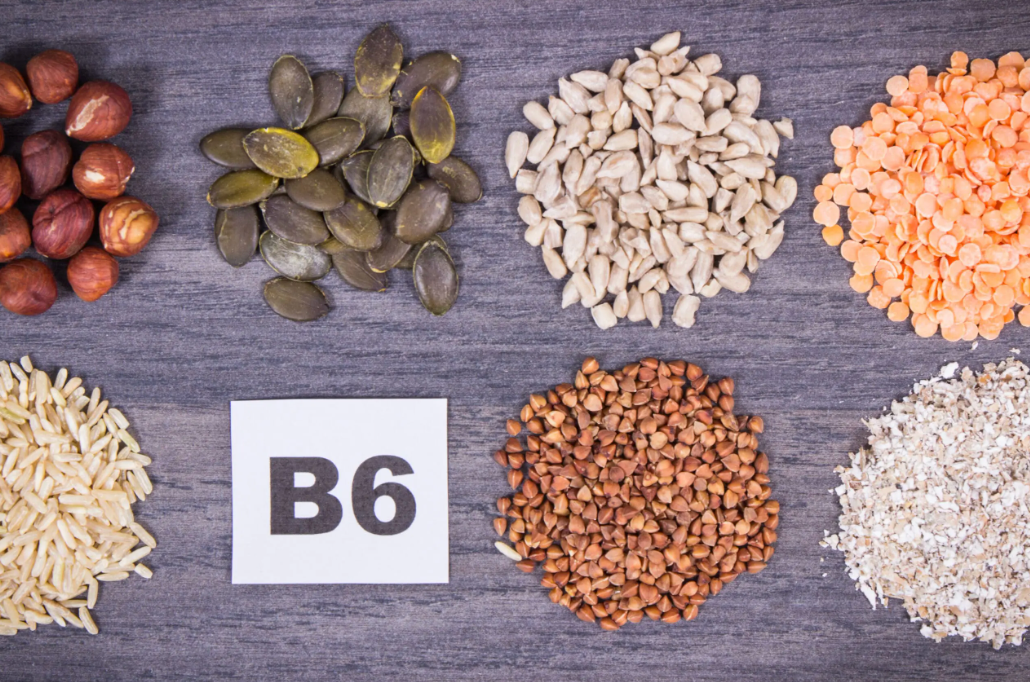
B6 is broadly distributed across protein-containing foods: poultry, fish, potatoes, and non-citrus fruits. Deficiency is less likely in omnivores eating adequate total protein than in any other B vitamin.
Thiamine and riboflavin are found in whole grains, legumes, dairy, and meat. Refining grains removes most naturally occurring B vitamins, which is why enrichment (adding synthetic B vitamins back to refined flour) exists as a public health intervention.
Building a B Vitamin Protocol That Makes Sense
The most rational approach to B vitamin supplementation starts with an honest assessment of dietary patterns and risk factors. Omnivores eating varied diets with adequate calories and protein are unlikely to be deficient in most B vitamins except possibly B12 if animal product consumption is low. Vegans need B12 supplementation without exception. Older adults need B12 supplementation due to reduced intrinsic factor production and impaired absorption. Athletes at high protein intake should monitor B6. Anyone with MTHFR variants benefits from methylated forms of B12 and folate.
A high-quality B complex covering all eight B vitamins at meaningful doses, ideally with methylated B12 and methylfolate, addresses the full spectrum without requiring eight separate supplements. For athletes and active individuals who want a combined approach to micronutrient coverage alongside their training stack, stop by any Rock's Discount Vitamins location for a direct recommendation on which product format fits your dietary pattern and training demands.
The Bottom Line
B vitamins do not produce energy independently. They enable the biochemical machinery that your cells use to produce energy from food. The distinction matters because it explains exactly when supplementation works and when it does not. Deficiency correction produces real, measurable improvements in energy, cognitive function, and neurological health. Supplementation above sufficiency produces little to nothing beyond expensive urine.
Know your risk factors. Prioritize methylated forms if absorption is a concern. Match your B vitamin intake to your protein and calorie demands if you train seriously. The foundation holds everything else up.